(365) 226-10-97 buxdpi@buxdpi.uz 2 Piridastgir Street, Bukhara City
shape
shape

Volunteering: An Important Step Toward Students' Personal and Professional Development

  • Home
  • Talabalar hayoti
  • Volunteering: An Important Step Toward Students' Personal and Professional Development
Volunteering: An Important Step Toward Students' Personal and Professional Development

Volunteering: An Important Step Toward Students' Personal and Professional Development

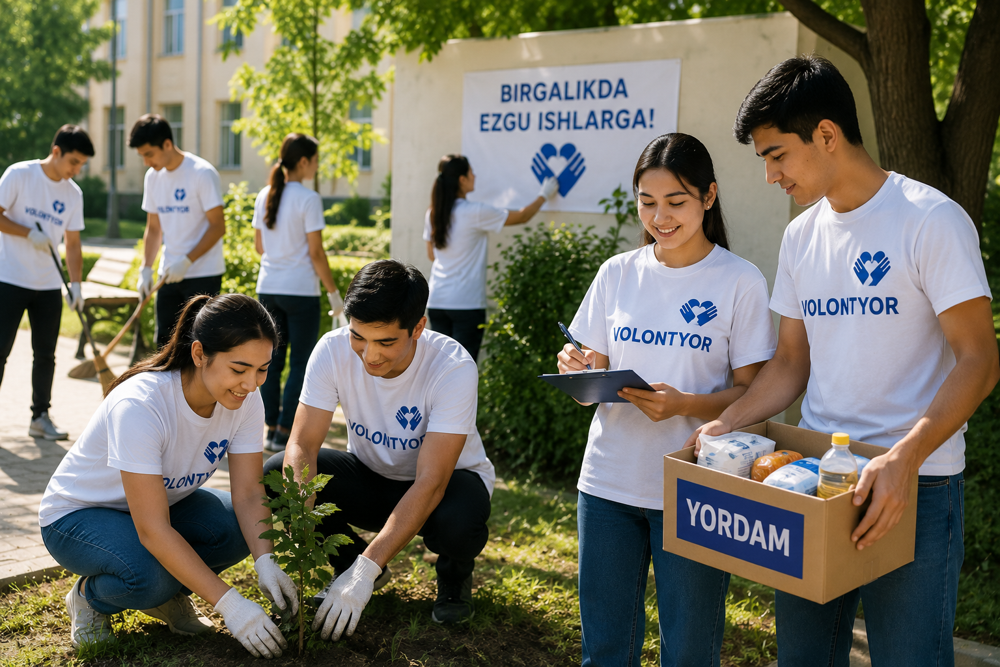
Volunteering is a form of community service carried out voluntarily without expecting financial compensation. Today, volunteering is recognized not only as a way to support society but also as an effective opportunity for young people to develop professionally, strengthen leadership skills, gain practical experience, and become active members of their communities. For university students, volunteering provides valuable opportunities to apply classroom knowledge in real-life situations while developing essential personal and professional competencies.

Many higher education institutions actively encourage students to participate in volunteer programs because these activities promote social responsibility, civic engagement, teamwork, and leadership. In addition, volunteer experience often becomes an important advantage when applying for scholarships, internships, exchange programs, and future employment.


1. What Is Volunteering?

Volunteering is the act of offering time, skills, and knowledge to help individuals, communities, or organizations without receiving financial payment.

Volunteers may contribute to various fields, including:

  • education;
  • environmental protection;
  • healthcare;
  • sports;
  • culture and arts;
  • social services;
  • charitable initiatives;
  • youth development programs.

Each area provides valuable practical experience and opportunities for personal growth.


2. Benefits of Volunteering for Students

Volunteering offers students much more than the satisfaction of helping others.

Its major benefits include:

  • gaining practical experience;
  • improving communication skills;
  • learning teamwork;
  • developing responsibility;
  • strengthening problem-solving abilities;
  • building self-confidence;
  • improving leadership potential.

These competencies are highly valued in both academic and professional environments.


3. Professional Development

Many employers consider volunteer experience an important indicator of a candidate's initiative and commitment.

Through volunteering, students can:

  • gain real-world work experience;
  • build professional networks;
  • strengthen their resumes (CVs);
  • prepare for future careers;
  • explore potential career paths.

Volunteer experience often distinguishes graduates in competitive job markets.


4. Developing Social Skills

Volunteer activities require interaction with people from diverse backgrounds.

Students improve their ability to:

  • communicate effectively;
  • listen actively;
  • collaborate with others;
  • resolve conflicts peacefully;
  • adapt to different situations;
  • work within multicultural teams.

These interpersonal skills are essential in nearly every profession.


5. Building Leadership Skills

Many volunteer projects allow students to coordinate activities or lead small teams.

This helps develop:

  • initiative;
  • decision-making skills;
  • project management abilities;
  • organizational skills;
  • accountability;
  • confidence in leading others.

Leadership experience gained through volunteering is valuable for both academic and professional success.


6. Supporting Academic Learning

Volunteering enables students to connect theoretical knowledge with practical experience.

For example:

  • education students may organize learning activities in schools;
  • psychology students may participate in community support programs;
  • information technology students may assist with digital education projects;
  • language students may help with translation and international events.

Such experiences deepen academic understanding while improving practical competence.


7. Areas of Volunteer Work

Students can participate in many types of volunteer activities, including:

  • environmental campaigns;
  • literacy and reading initiatives;
  • sports events;
  • cultural festivals;
  • charity projects;
  • educational programs;
  • international conferences;
  • youth forums;
  • community development initiatives.

Every project offers opportunities to learn new skills and expand professional networks.


8. How to Become a Volunteer

Students interested in volunteering can begin by:

  • following university announcements;
  • joining student organizations;
  • registering on volunteer platforms;
  • selecting projects that match their interests and skills;
  • participating actively and responsibly.

Starting with small local projects often leads to broader opportunities in national and international programs.


9. Best Practices for Volunteers

Successful volunteers should:

  • complete assigned tasks responsibly;
  • respect organizational rules;
  • communicate professionally;
  • work effectively with team members;
  • demonstrate reliability and commitment;
  • maintain ethical behavior.

Professional conduct helps build trust and creates opportunities for future leadership roles.


10. The Importance of Volunteering in Society

Volunteers make significant contributions to social development.

They help:

  • support vulnerable communities;
  • participate in environmental protection;
  • promote education and culture;
  • strengthen community solidarity;
  • encourage civic engagement;
  • contribute to sustainable development.

Because of these contributions, volunteering is recognized worldwide as an important part of an active and responsible society.


How Volunteering Benefits Your Future Career

Beyond helping communities, volunteer experience provides long-term career advantages.

Students who volunteer often:

  • develop transferable workplace skills;
  • improve communication and leadership abilities;
  • build professional confidence;
  • expand their professional network;
  • demonstrate social responsibility to employers;
  • become more competitive in the labor market.

Many international scholarships, internships, and graduate programs also value volunteer experience during the selection process.


Conclusion

Volunteering is much more than unpaid community service—it is an investment in personal growth, professional development, and lifelong learning. Through volunteer activities, students gain practical experience, strengthen leadership and communication skills, expand their professional networks, and make meaningful contributions to society. Universities increasingly recognize volunteering as an important component of student development because it prepares graduates to become responsible professionals and active citizens. By participating in volunteer projects, students not only support their communities but also build the knowledge, confidence, and experience necessary for a successful future.

SEO Keywords: volunteering, student volunteering, volunteer work, volunteer opportunities, university students, community service, leadership skills, professional development, youth volunteering, higher education, student engagement, volunteer experience, Bukhara State Pedagogical Institute.